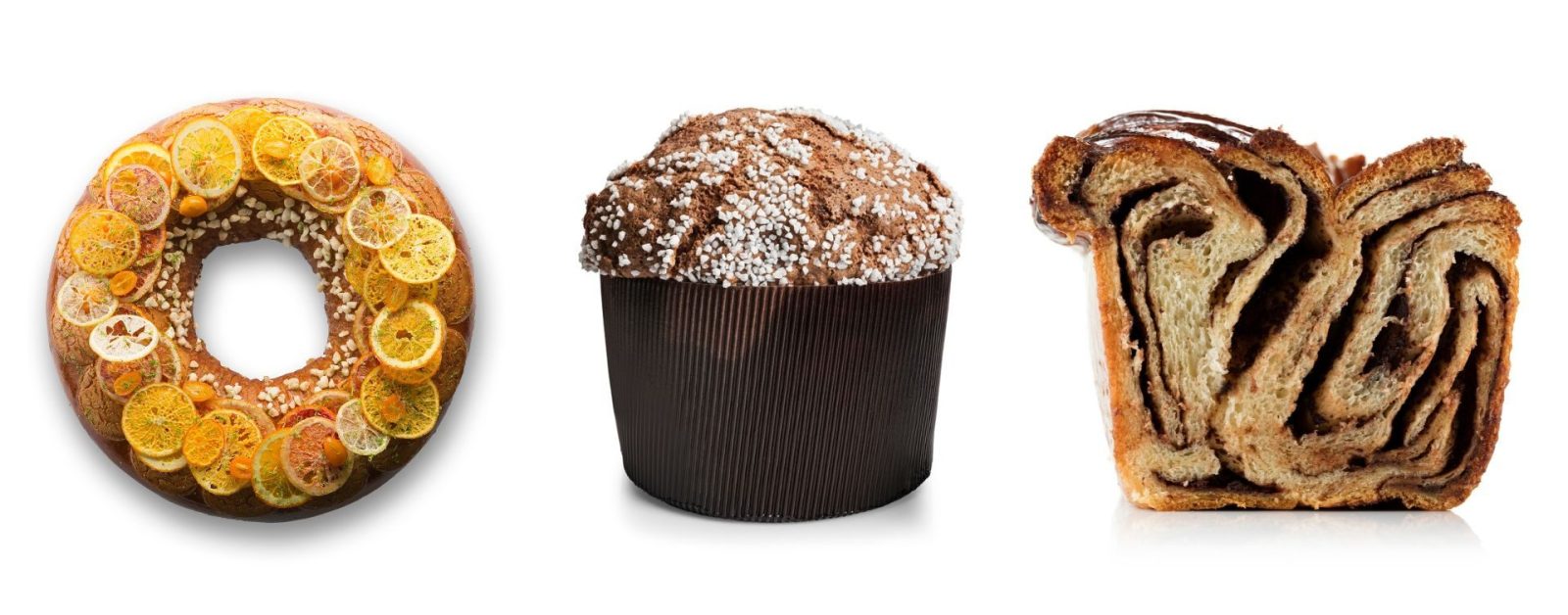
Discover a collection of exciting bread recipes that can become the centerpiece of your next holiday celebration or festive gathering.
This guide is organized by bread style, from sourdoughs and lean breads to enriched breads, and features inspiration from a variety of holiday traditions and celebrations, including free recipes on our website, as well as selections from Modernist Bread and Modernist Bread at Home for readers who already own—or are interested in exploring—those books.
If you are looking for recommendations based on your baking experience or the amount of time you have available, be sure to check out How to Choose the Perfect Bread or Pizza Dough Recipe for Your Needs.
Before you get started, subscribe to our newsletter so you never miss a new recipe, technique, or insight!
Sourdough & Lean Breads
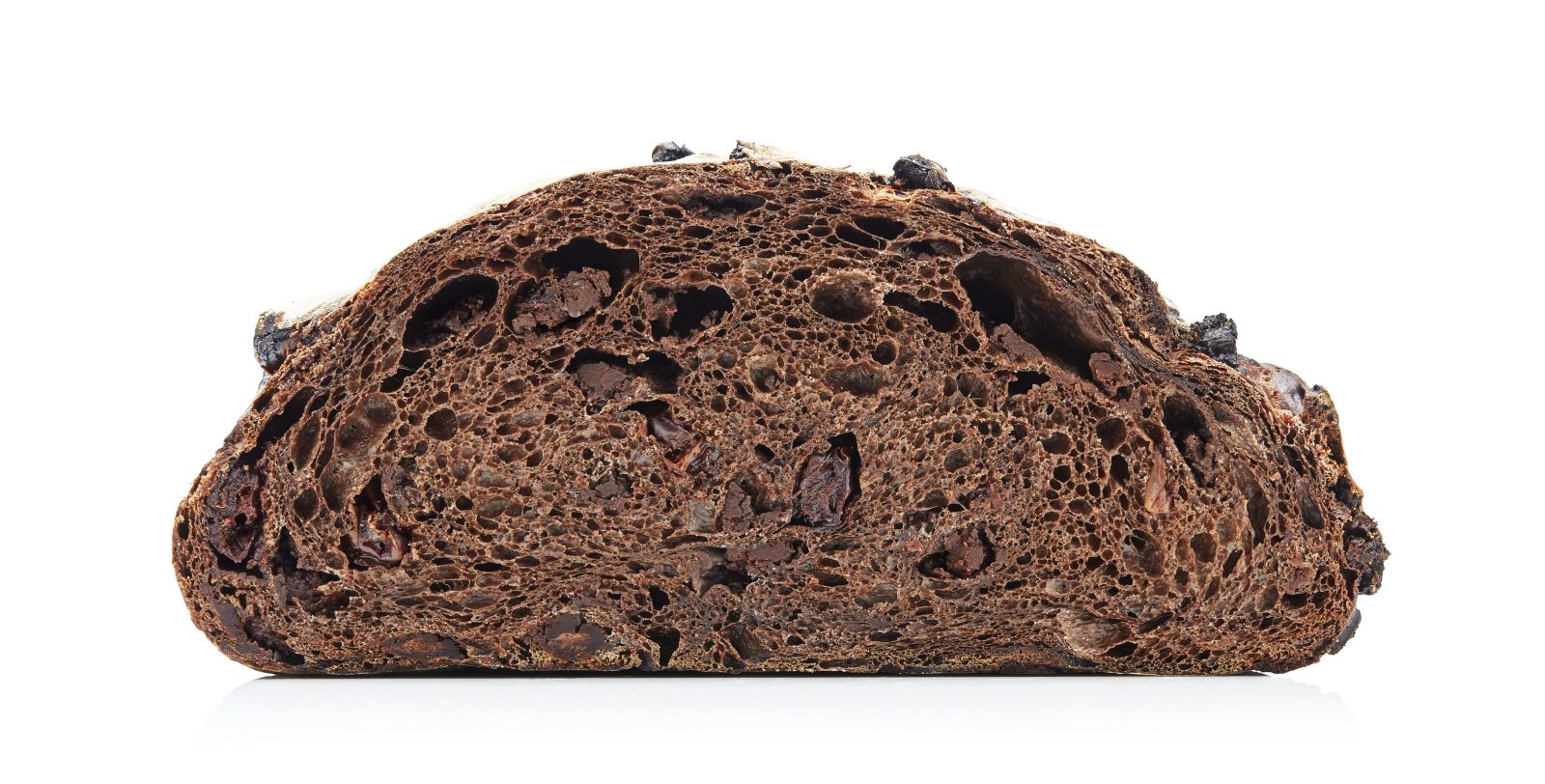
Chocolate and Cherry Sourdough
A variation of our master Sourdough recipe, this dough is only moderately sweet; the natural sourness of the dough tempers the sweet character of the inclusions. It’s a captivating combination (and a team favorite).
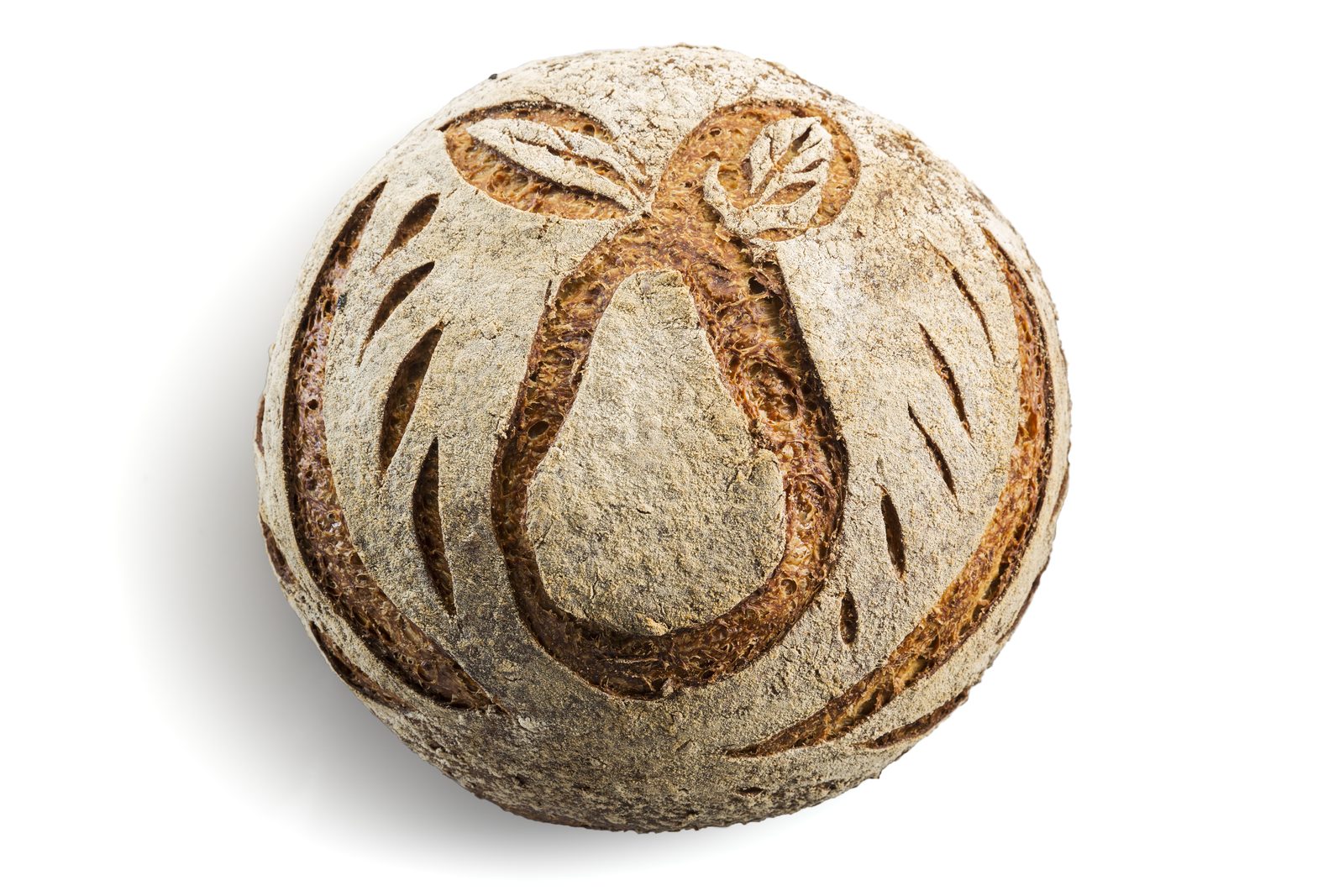
Bosc Pear and Toasted Coconut Sourdough
Modernist Bread Vol. 4:73
This delicious sourdough combines the natural sweetness of ripe Bosc pears with the subtle nuttiness of unsweetened coconut. The result is a flavorful and unexpected twist on traditional sourdough that is sure to add something special to any holiday table or gathering.
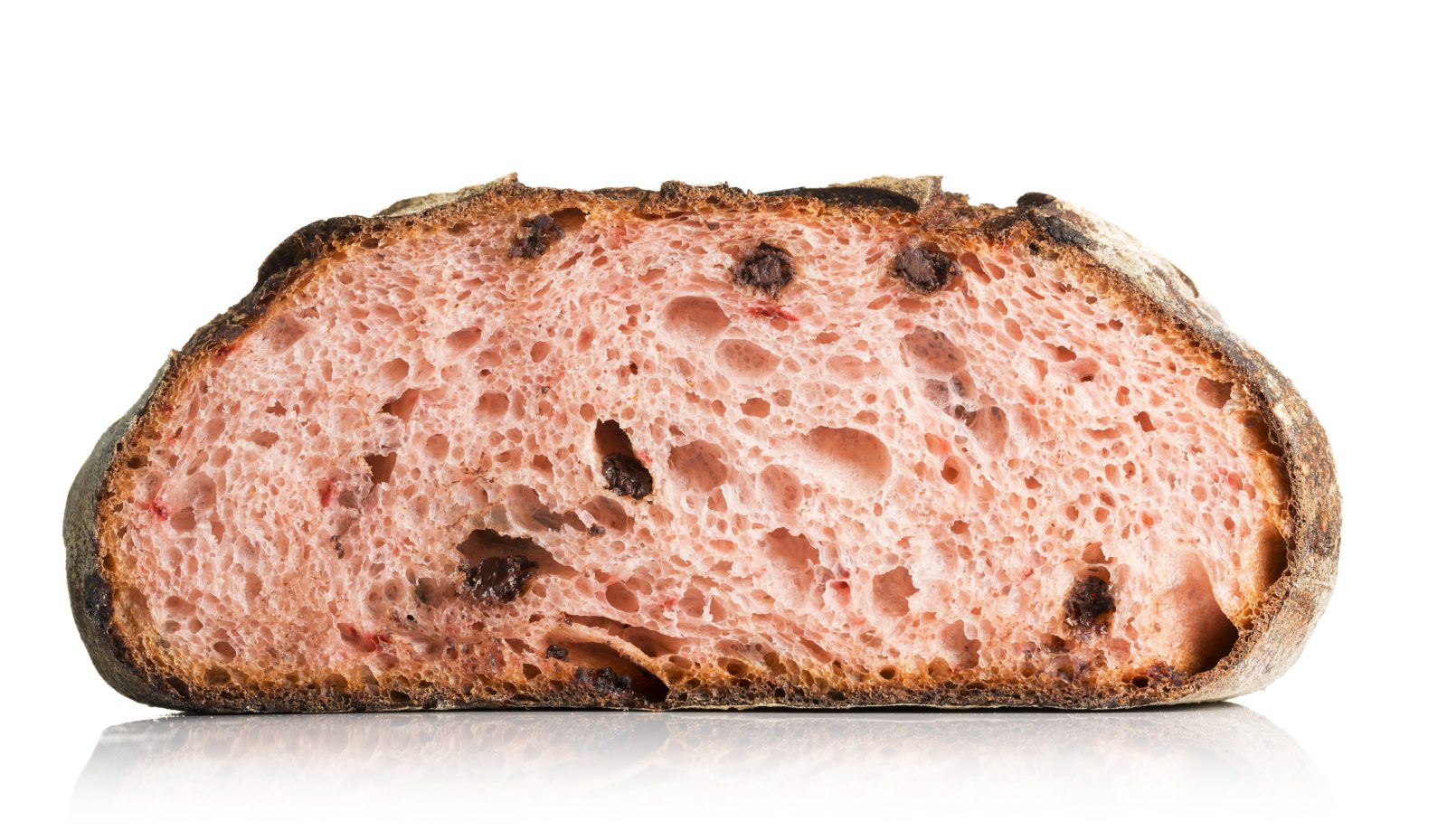
Cherry Pie and Chocolate Chip Sourdough
Modernist Bread Vol. 4:73
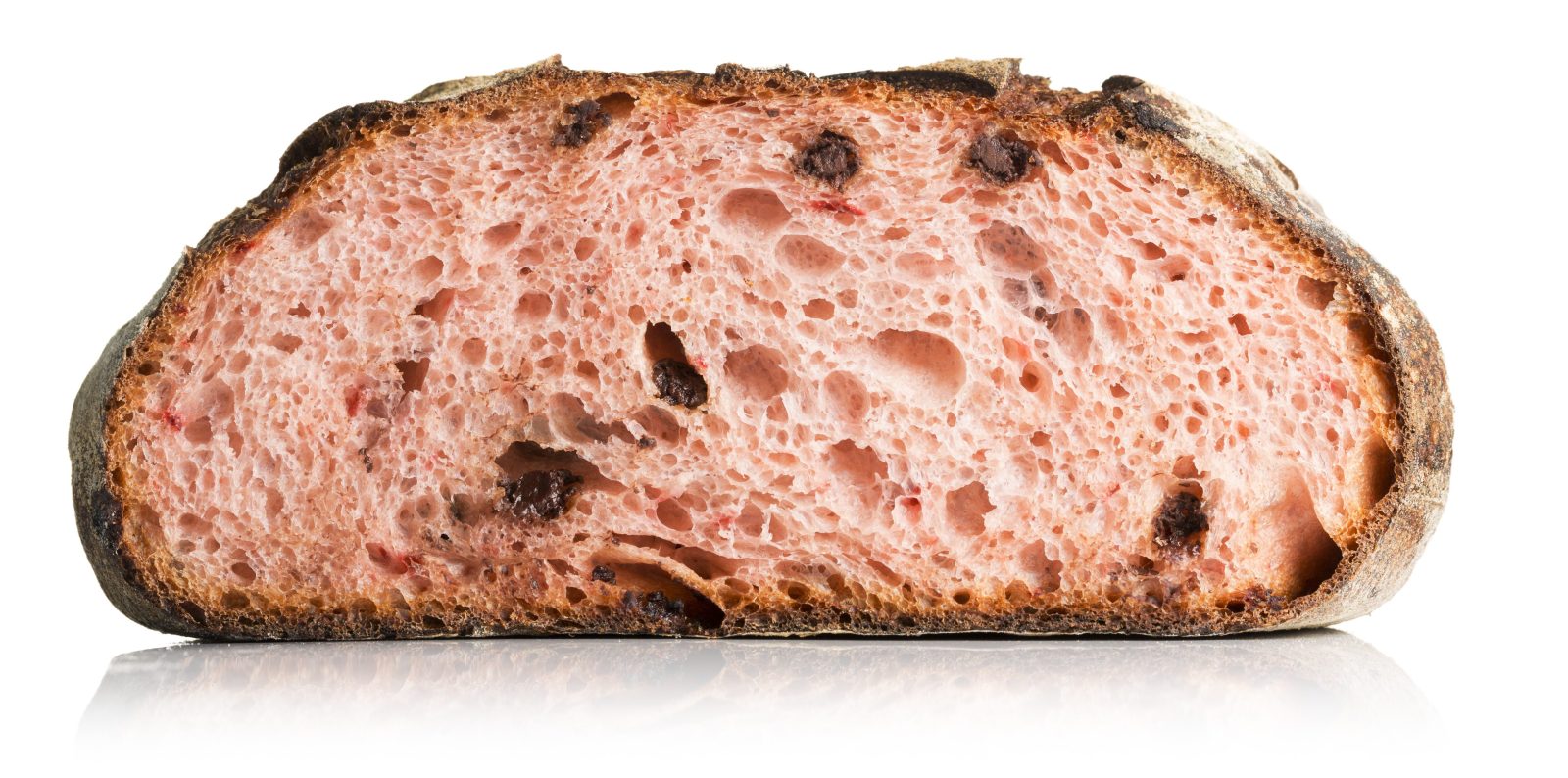
This sourdough is a fun and festive twist that can brighten any holiday gathering. Made with bake-proof chocolate chips and cherry pie filling, it has a beautiful pink hue and a delicious combination of rich chocolate and sweet cherry flavors—perfect for any festive occasion
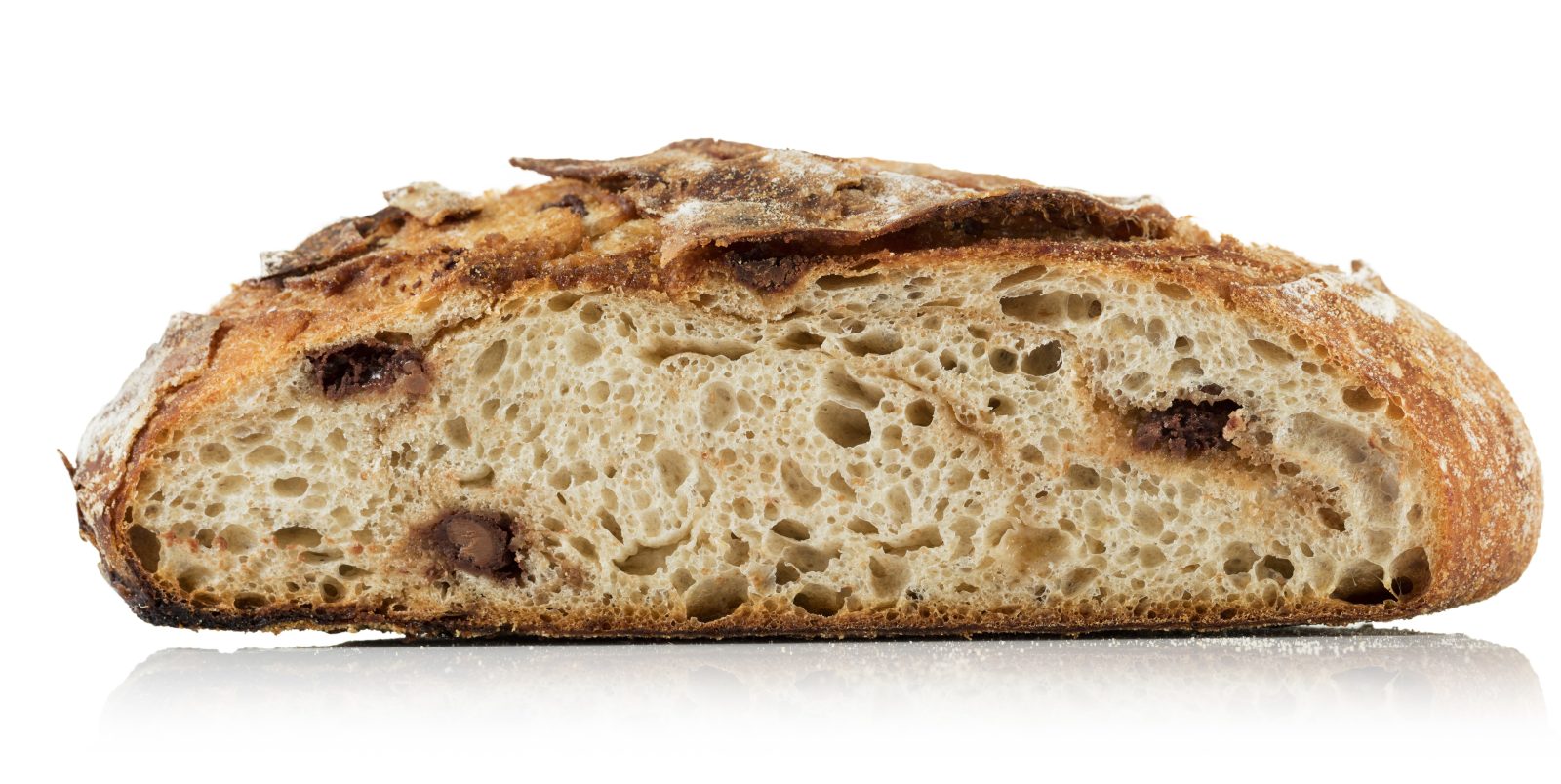
S’mores Sourdough
Modernist Bread Vol. 4:75
This indulgent sourdough puts a festive spin on a classic campfire favorite. Made with milk chocolate chips, graham cracker spread, and mini marshmallows, it creates a deliciously sweet and nostalgic loaf.
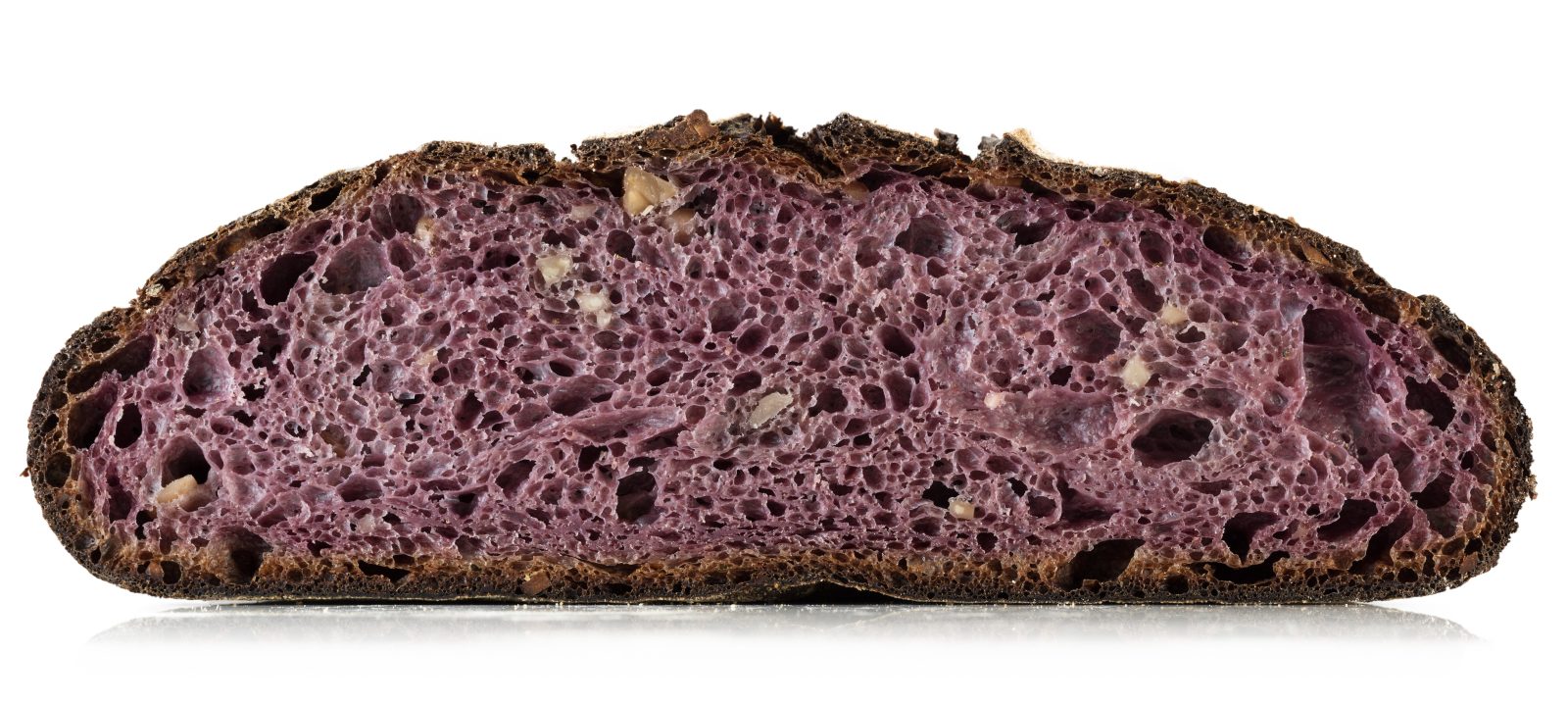
Black Currant Sourdough with Marcona Almonds
Modernist Bread at Home p. 194 / Modernist Bread Vol 4:82
Black currant puree adds aroma, tartness, and a vividly purple hue to this bread, which is also dotted with Marcona almonds. The puree will need to be added to the dough once the dough has reached at least medium gluten development. If you add it at the beginning of the mix, it will take three times longer to mix the dough. Though a technical bread to make, it is well worth the effort.
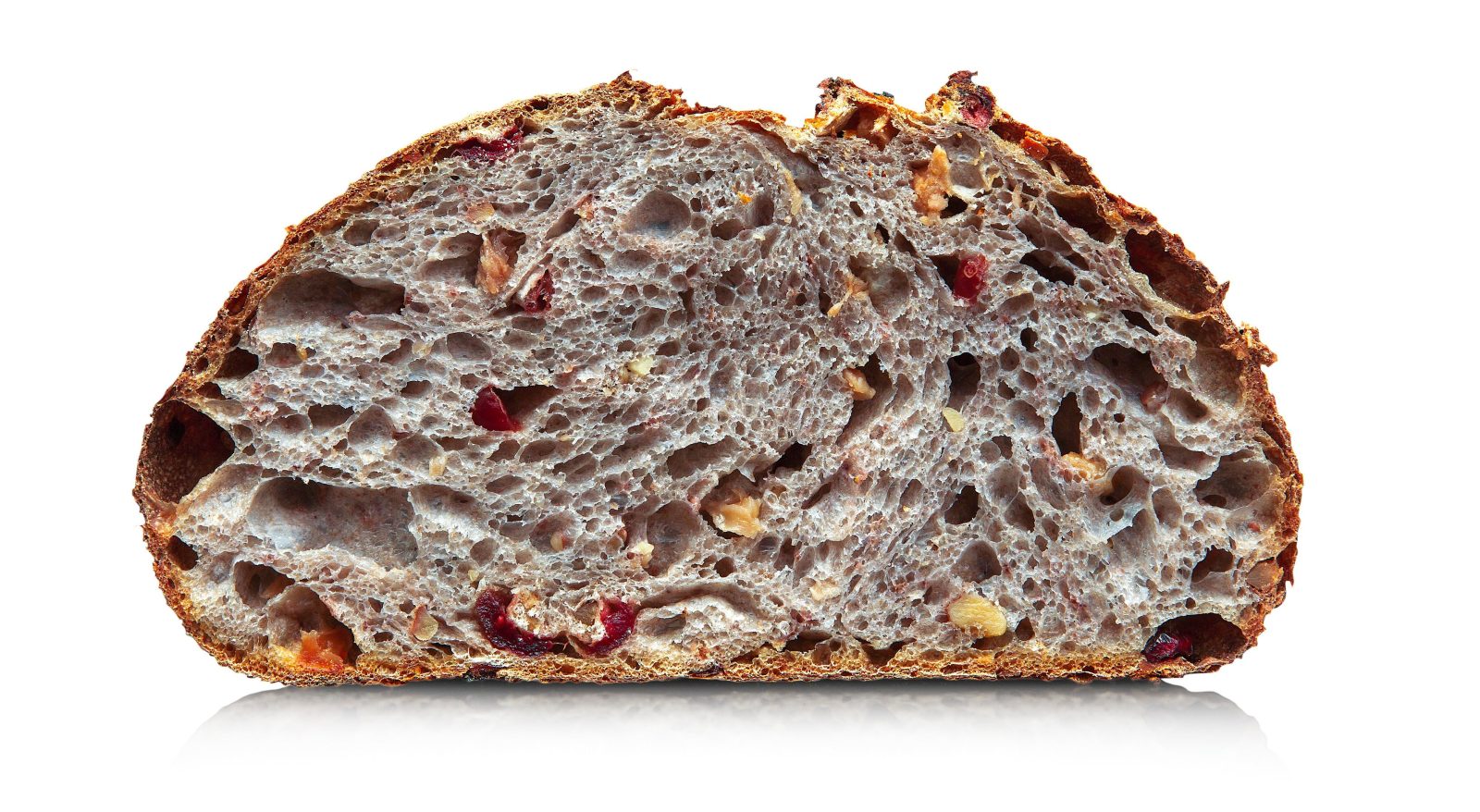
Walnut Bread
Modernist Bread at Home p. 202 / Modernist Bread Vol 4:114
It’s not too common for French bakers to put inclusions in their breads, though this one—often offered with cheese courses—is a frequent exception. If you machine-mix the walnuts into the dough the skin may impart a purple tinge. Alternatively, you can peel them, or fold them in during the bulk fermentation process as described in the hand-mix method (note that it can be tricky to evenly incorporate the nut pieces).
Enriched Breads
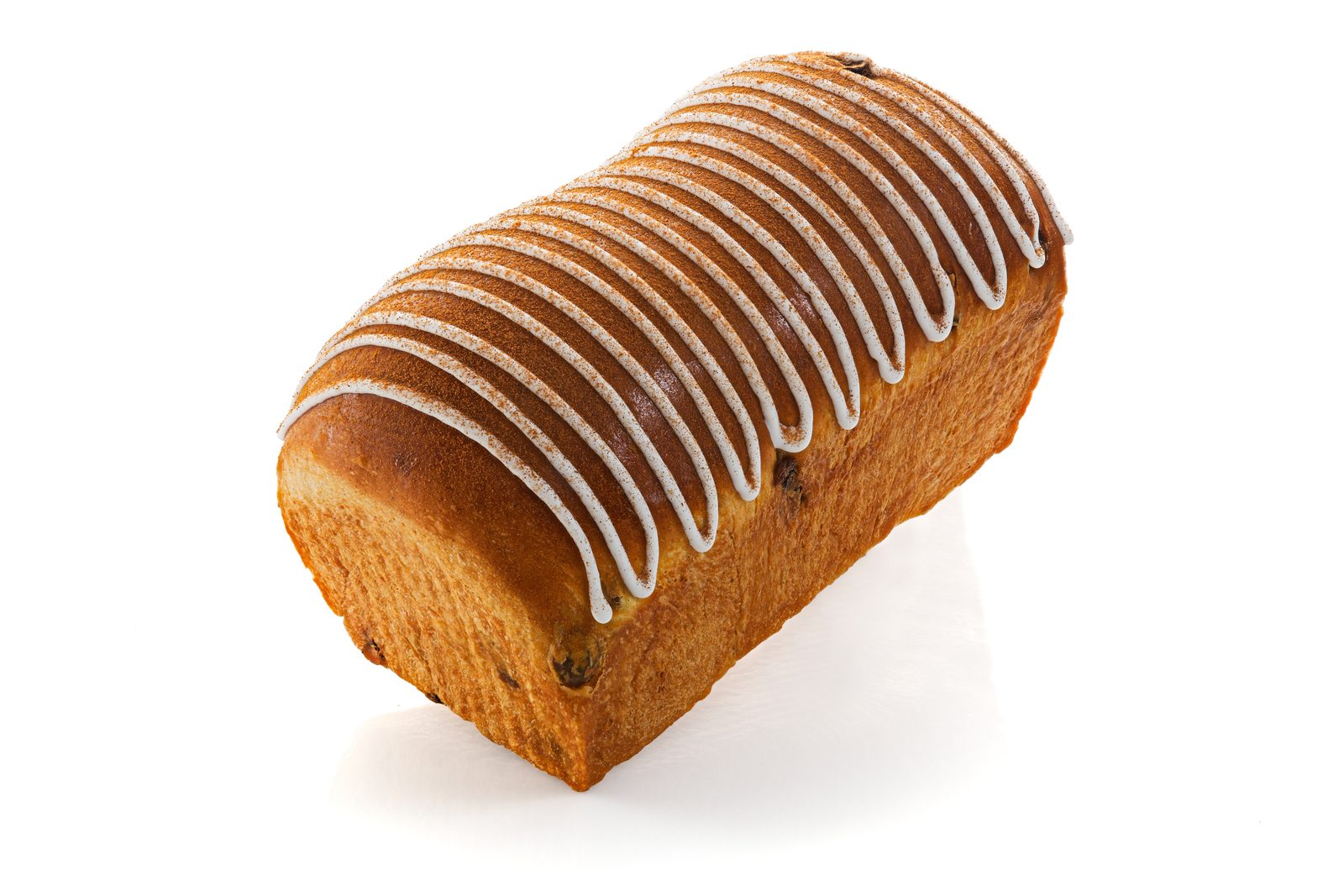
Cinnamon Raisin Bread
Cinnamon Raisin Bread makes a lovely addition to a holiday brunch spread. This bread is beginner-friendly and requires just 20–30 minutes of active time and about 3 hours of inactive time. Plus, the mixing and shaping methods are great for practicing basic techniques.
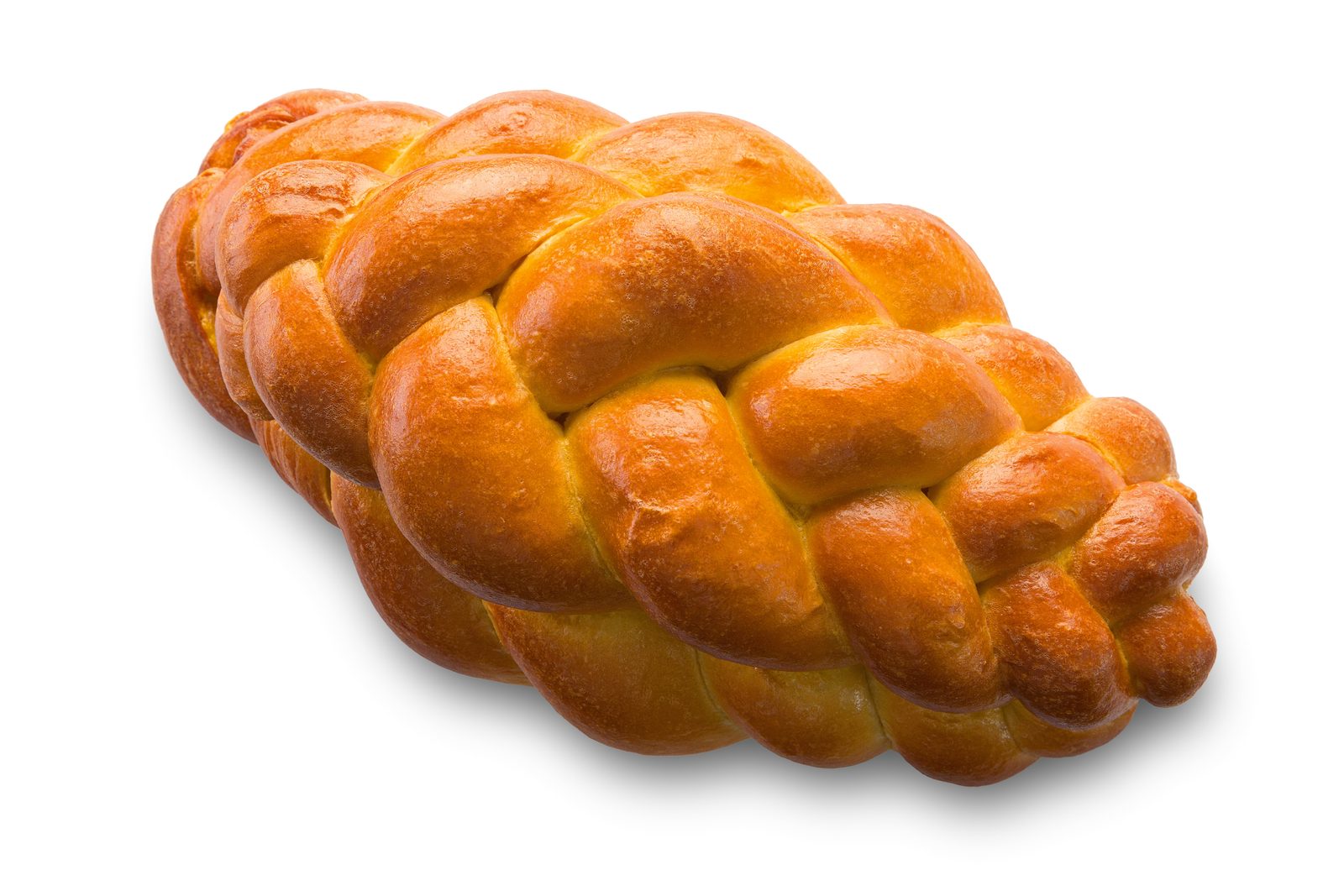
Challah
Soft, rich, and beautifully braided, challah is a beloved Jewish bread traditionally enjoyed on Shabbat and holidays. Some bakers shape their challah into special shapes like a menorah or dreidel during Hanukkah.
Made with eggs and oil rather than butter, challah has a tender crumb, golden color, and glossy crust that makes it as beautiful as it is delicious. While classic versions may include honey or raisins, bakers have plenty of room to get creative with flavors and shapes. Whether you stick with tradition or put your own twist on it, a golden challah makes a festive centerpiece.
Modernist Bread at Home features our master recipe, along with several notable flavor variations including:
- Hazelnut Praline Challah
- Coconut Challah
- Fig Jam Challah
- Quince Challah
You can find these variations on page 279.
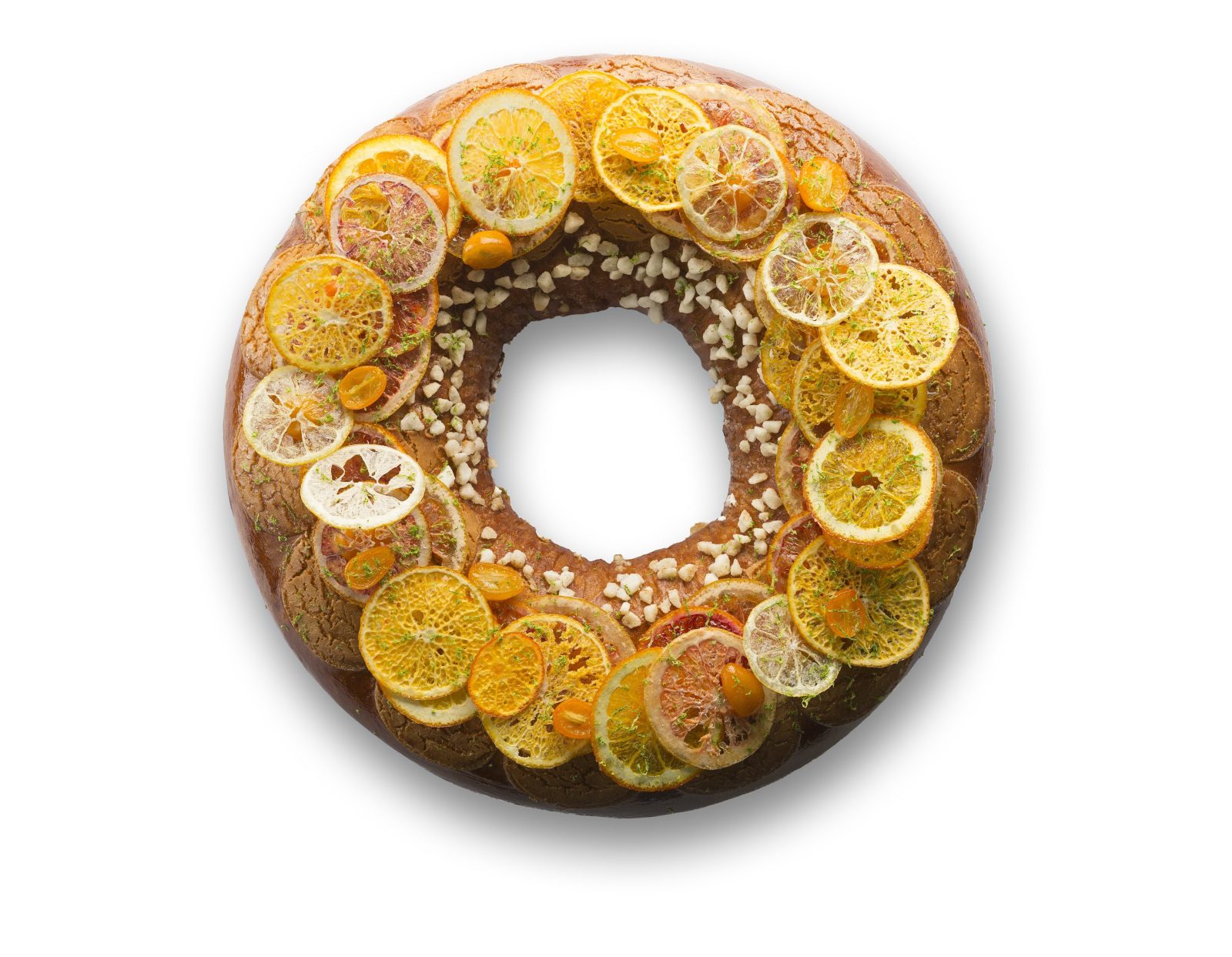
King’s Day Bread
In many cultures, there’s a holiday tradition of baking bread with a small token hidden inside, such as a coin or a whole almond. It’s a nice surprise for whoever gets the slice with the token, which is sometimes said to bring a year of good luck.
Though our own version may be showier than is accustomed, King’s Day Bread (or Rosca de Reyes in Spanish) is always adorned with candied fruits. King’s Day, January 6, commemorates the arrival of the three Wise Men in Bethlehem with gifts for baby Jesus. The baker customarily hides a figurine of baby Jesus inside the dough. The bread has a particularly rich tradition in Mexico, where the person served the piece with the figurine is obliged, traditionally, to host a tamal dinner on February 2 (the Day of the Virgin of Candelaria).
Versions of the citron-tinged bread—also known as Three Kings Bread, Twelfth Night Cake, or Brioche des Rois—are eaten in many countries, including France, Spain, and Portugal. In addition to King’s Day, the bread is also prepared for Twelfth Night (a Christian holiday 12 days after Christmas) and in New Orleans during Mardi Gras.

Sablée Brioche
Rich, tender, and wonderfully versatile, brioche is the granddaddy of sweet, enriched breads. Loaded with butter, eggs, and milk, it has a soft, delicate crumb and those irresistible, pull-apart strands that make it such a pleasure to eat. Brioche can be sweet or savory and shaped into loaves, rolls, sandwiches, or even laminated like a croissant. Whether served fresh from the oven or transformed into French toast, brioche brings a little extra indulgence to any holiday table.
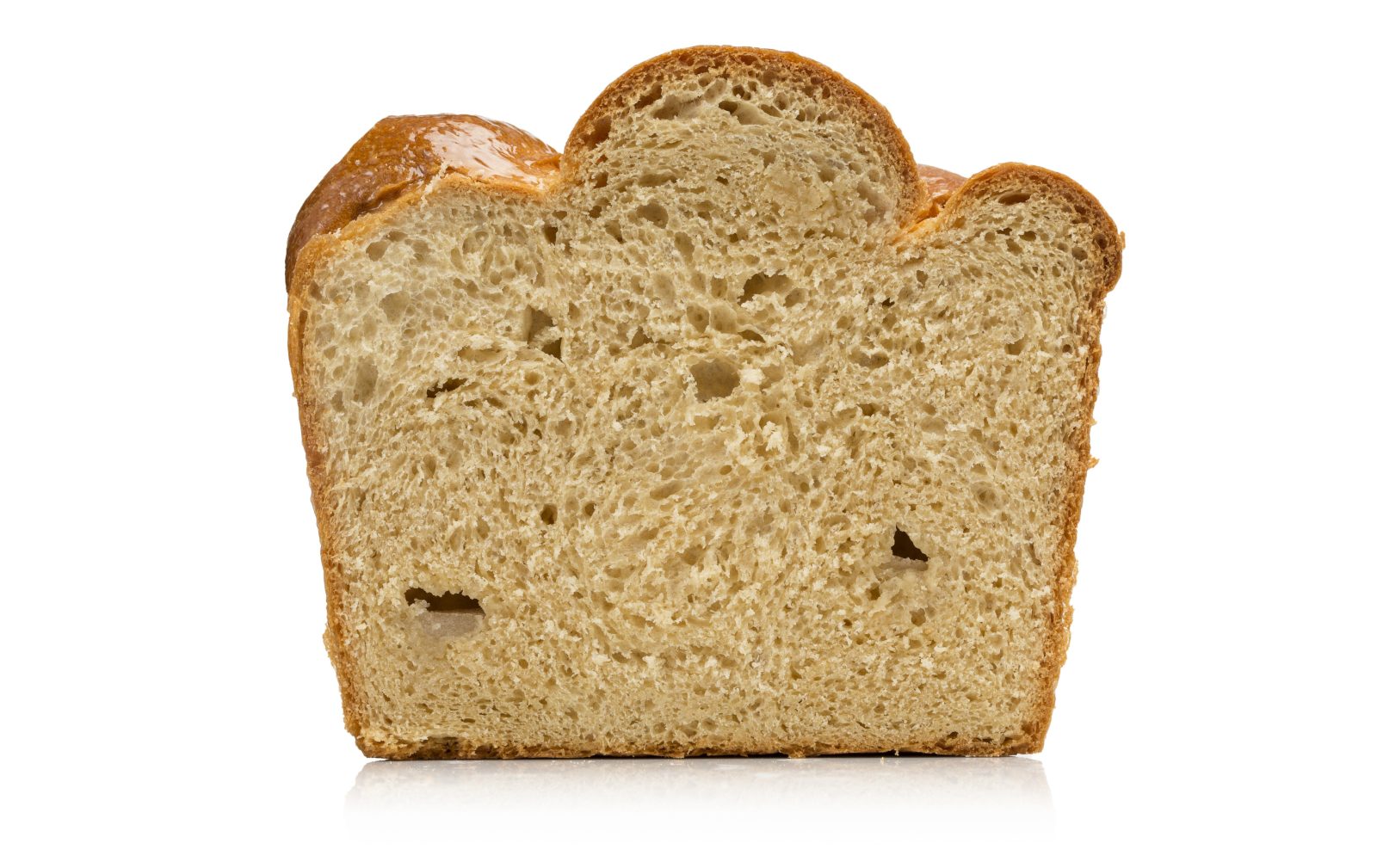
Speculoos Cookie Butter Brioche
Modernist Bread Vol 4:238
When it comes to cooking vegetables, eggs, and even delicate seafood, boiling and steaming often rise to the top as methods of choice. Both are rooted in precise science that can help us unlock better flavor, color, and texture in our food. Dive into what’s happening in the pot (and above it), and how to get the best results from both techniques.
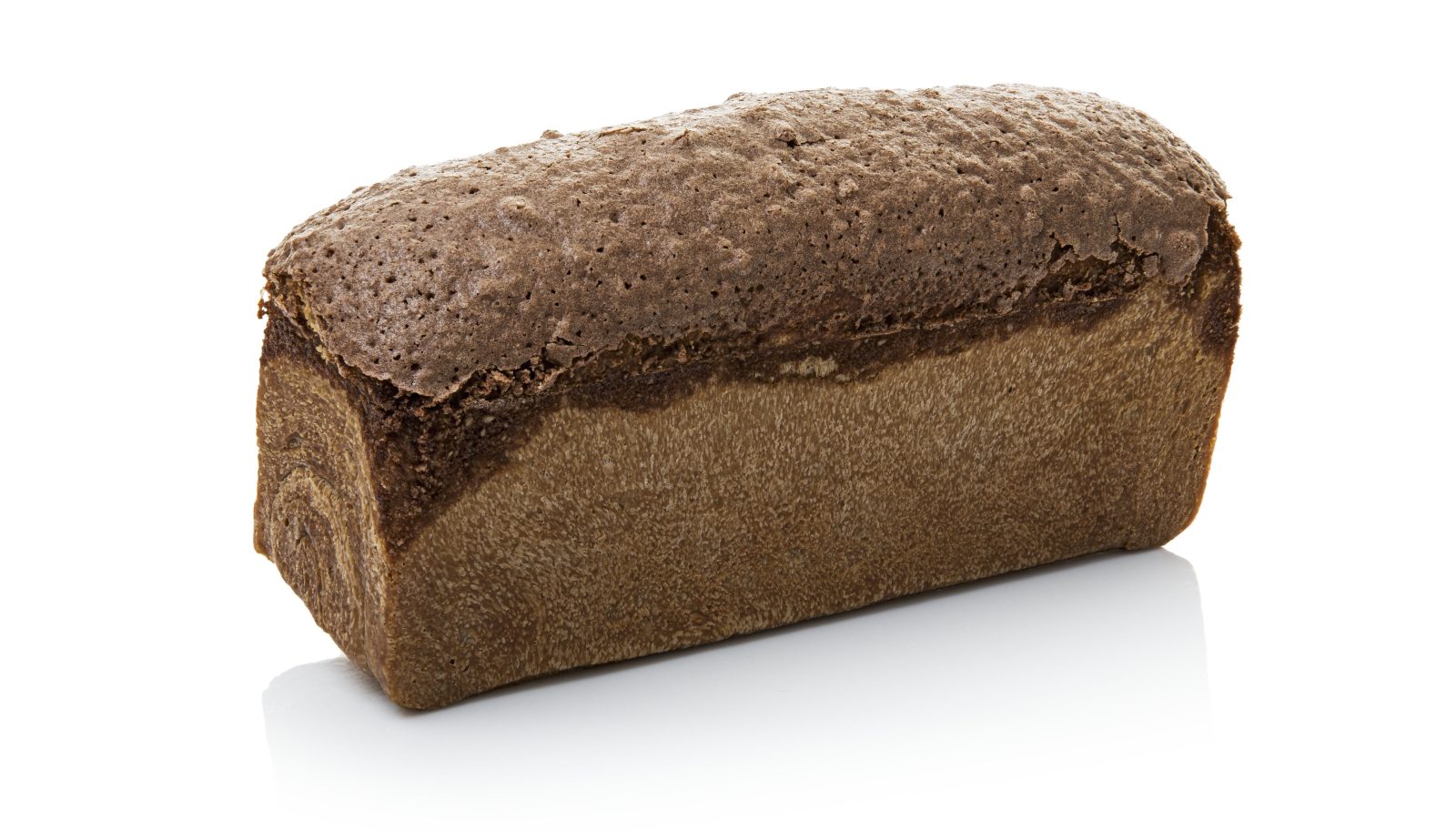
Chocolate Brioche
Modernist Bread Vol 4:246
We use cocoa powder to give this brioche a robust chocolate flavor, and chocolate chips add small bursts of solid chocolate throughout the bread. We’ve used high-gluten bread flour in other brioche recipes, particularly those with elevated fat content, to give the dough more structure to support the fat. Here, the amount of butter isn’t the issue; instead, the extra gluten counteracts the gluten-inhibiting cocoa powder.
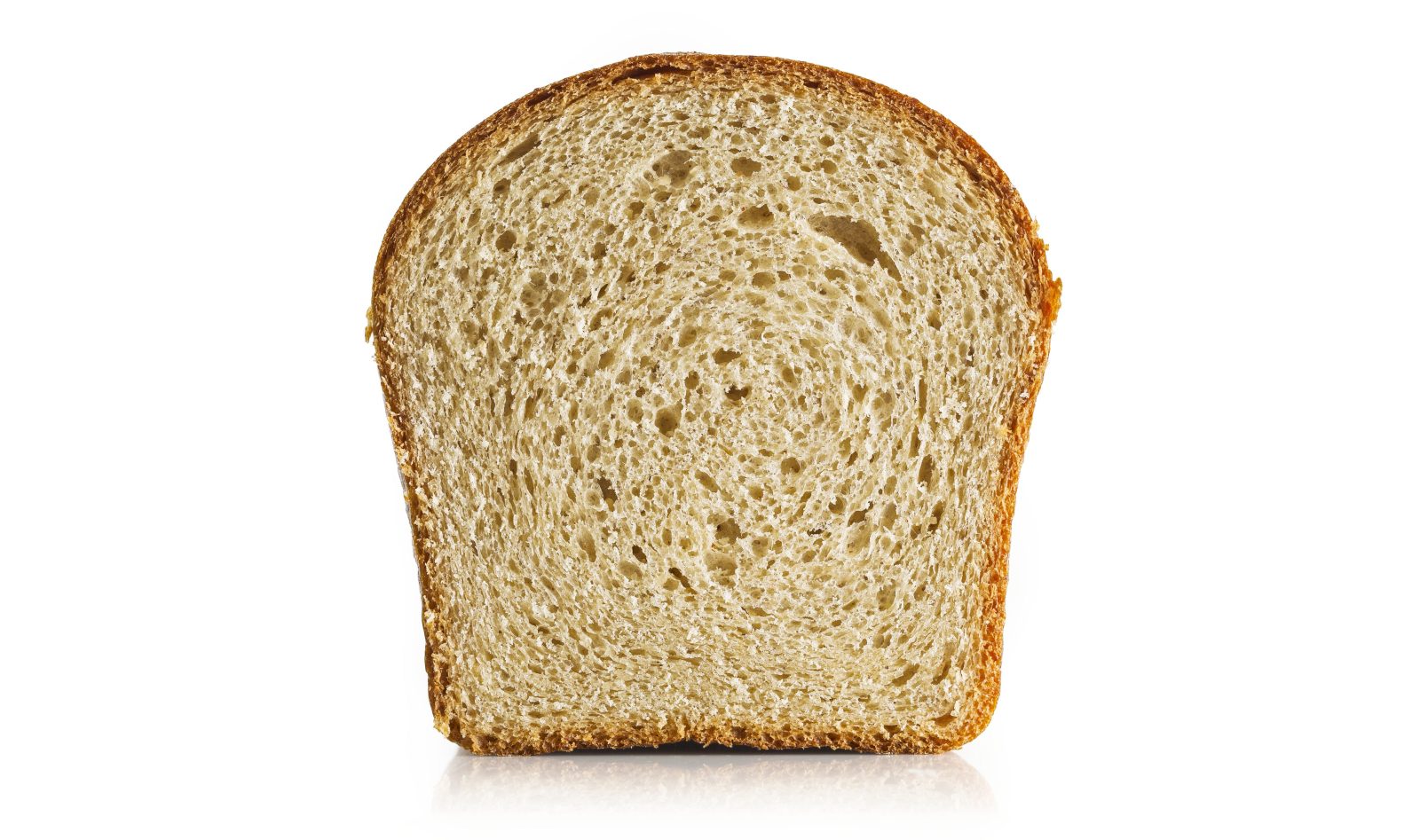
Hazelnut Butter Brioche
Modernist Bread at Home, p. 266
Few doughs are as versatile as brioche. From the basic foundation of fat (typically butter), eggs, milk, sugar, yeast, flour, and salt, there are myriad options for adapting the ingredients and techniques. We recommend machine mixing because of the amount of time needed to develop gluten in this rich dough; otherwise, the warmth from your hands could melt the butter, breaking the emulsion you are working to create. In this variation, we substitute butter for hazelnut butter, creating a unique flavor profile for this beloved bread.
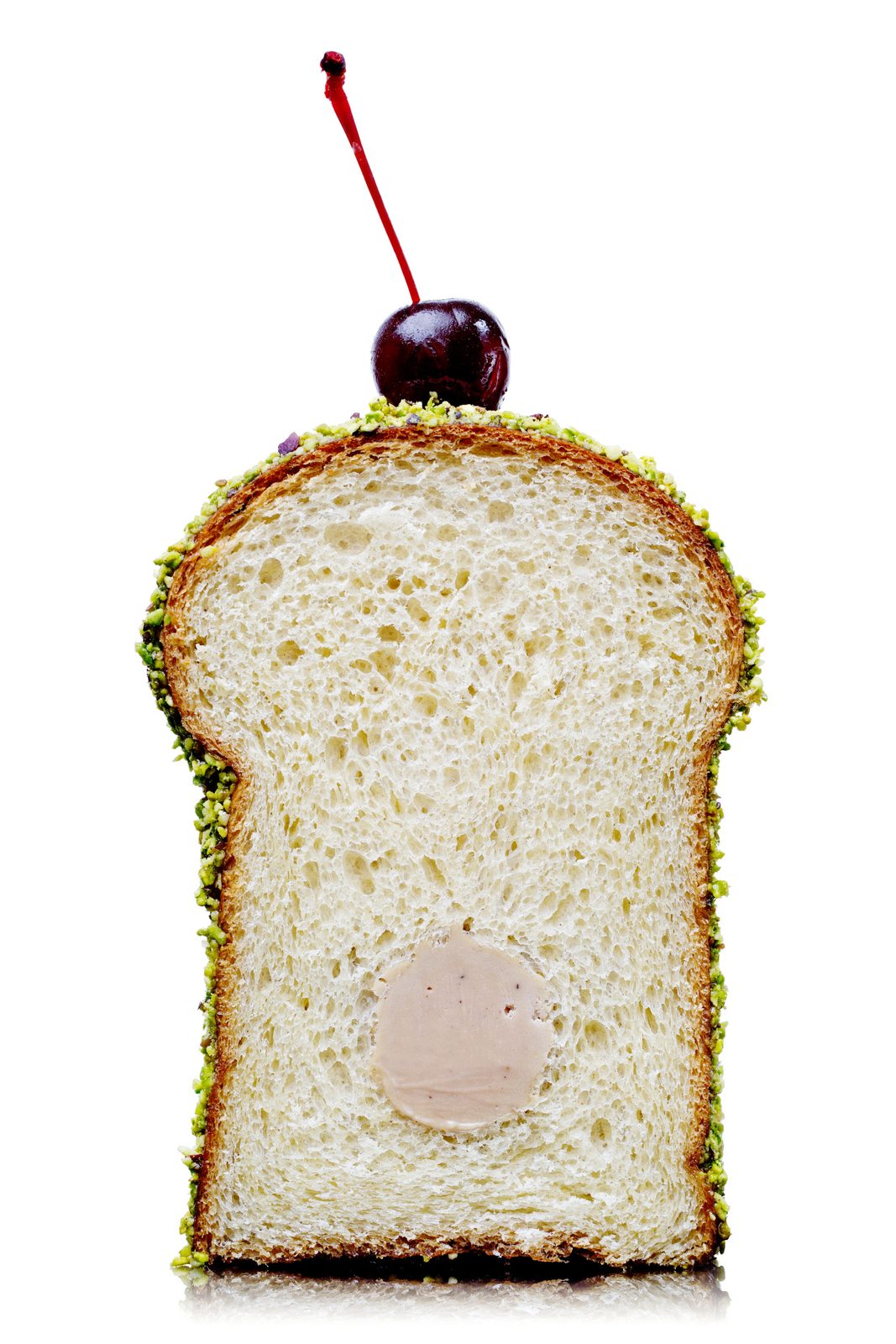
Foie Gras Brioche
Modernist Bread, Vol 4:323
Given how often foie gras is served with brioche, we were inspired to concoct a more complete melding of the two. The foie gras plays dual roles: first replacing the butter in the brioche dough and then filling the hollow core of the baked loaf. The crunchy pistachio coating complements the extra rich surprise inside.
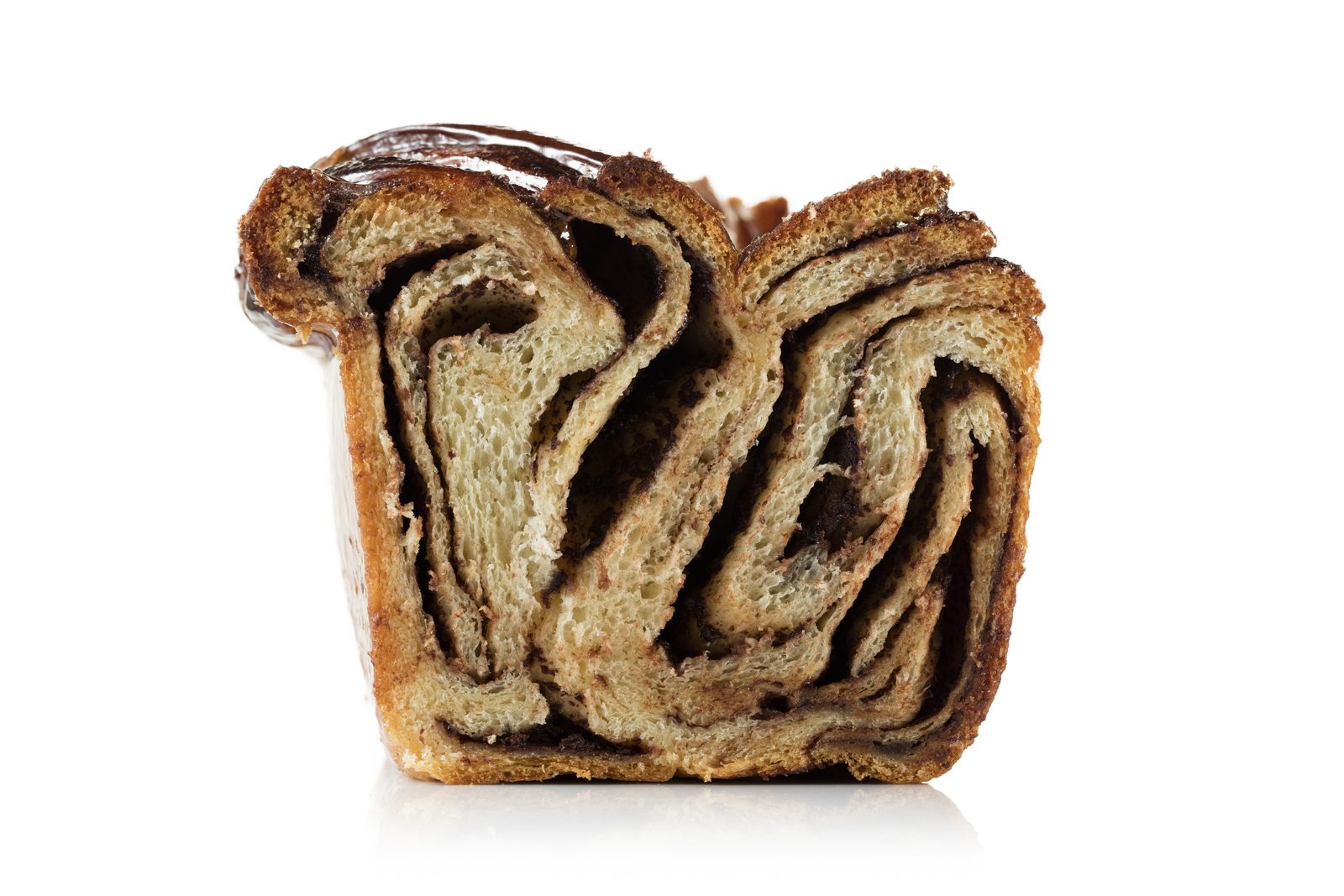
Babka
Modernist Bread at Home, page 269
The history of babka includes several cultures, primarily from Central and Eastern Europe, with strong associations in Jewish cuisine. Of all the versions of babka that exist, there’s little doubt that babka with a chocolate filling has a large and devoted following. Our filling includes cocoa powder, butter, eggs, brown sugar, and honey. One of the hallmarks of babka is the swirls that are a direct result of the shaping technique, which produces a distinctive pattern when the bread is sliced. We also include a variation that swaps the chocolate filling out for Nutella.
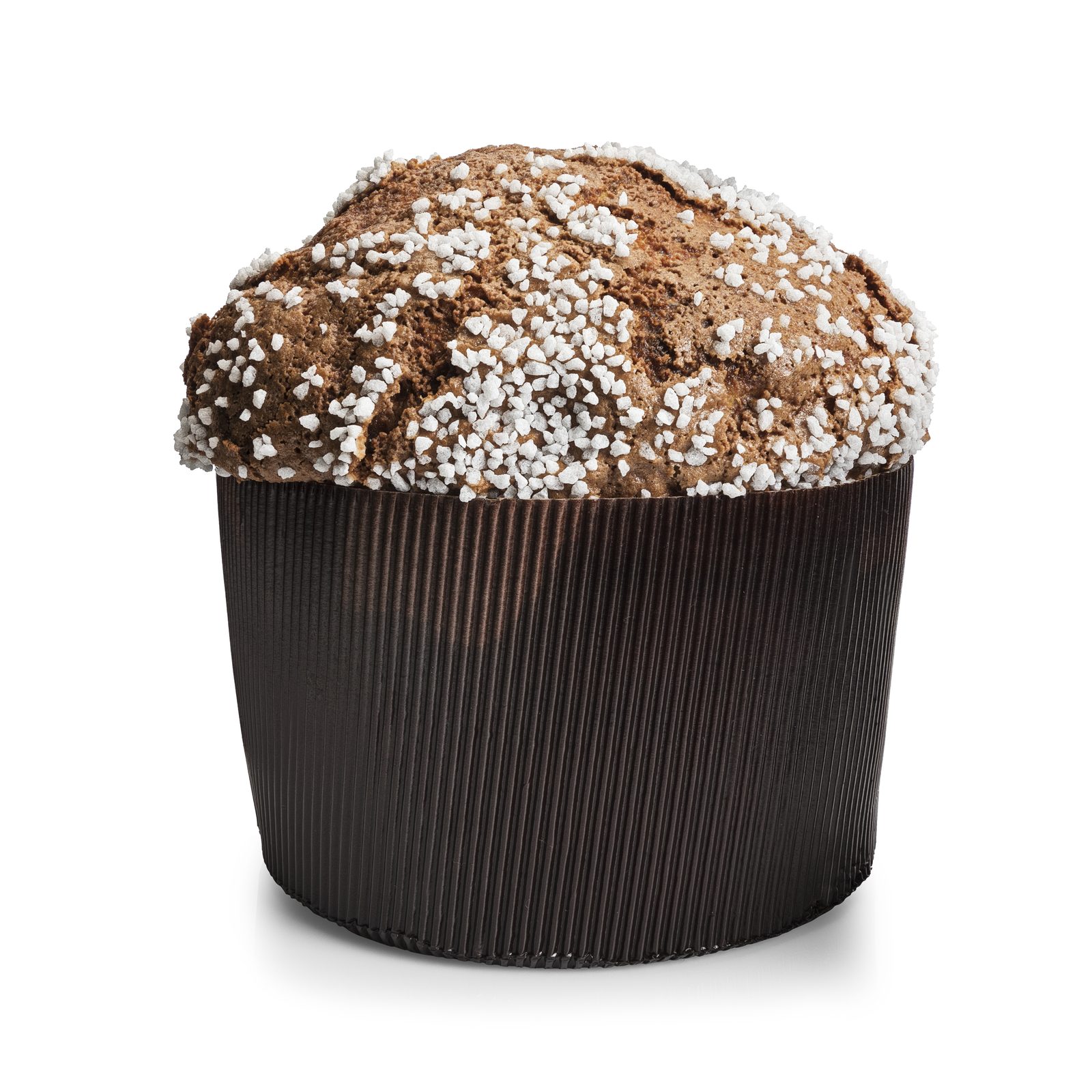
Panettone
Modernist Bread Vol 4:254
Enjoyed around the world for the Christmas and New Year’s holidays, iconic panettone has deep roots in the northern Italian city of Milan. The traditional preparation relies on wild yeast and multiday stages of mixing and proofing to achieve the characteristic light and tender crumb. We use a stiff levain, which is known as lievito madre in Italian. This loaf is so delicate, it needs to be hung upside down as it cools so that it won’t collapse.
We also include a chocolate panettone recipe variation.
Brick-Like Breads
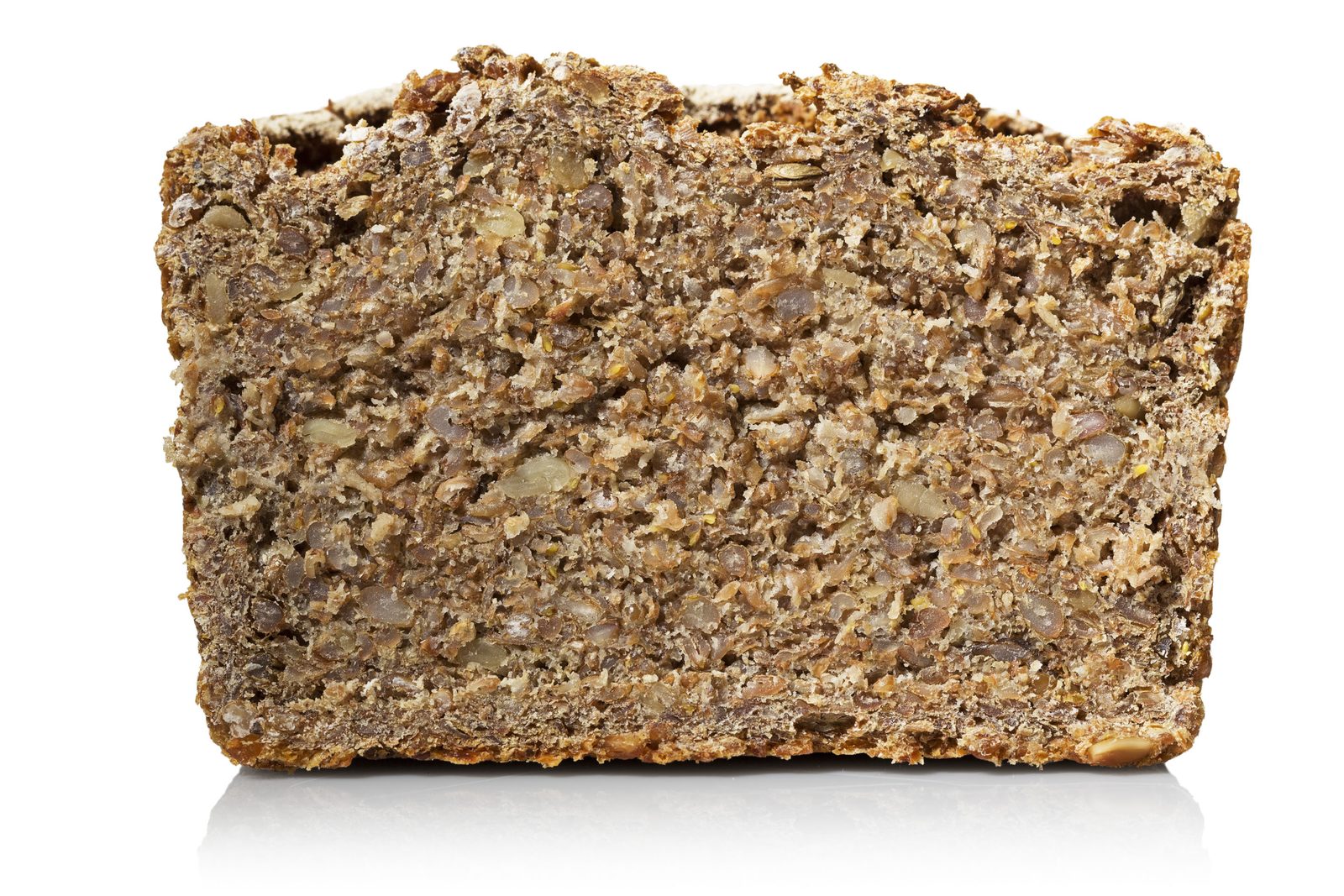
Vollkornbrot
Vollkornbrot is one of the hallmark breads of Germany. It is a type of dense, brick-like bread that has rye integrated into the dough in many forms: a rye levain, cooked rye berries, rye flour, and cracked rye (as a soaker and in the preferment). All that cracked rye goes beyond being simple dough-enhancing inclusions to providing much of the bread’s structure—overall, the recipe uses only a small proportion of rye flour, just enough to help the dough coalesce.
Vollkornbrot is highly versatile and perfect for incorporating a variety of inclusions, offering endless creative possibilities.
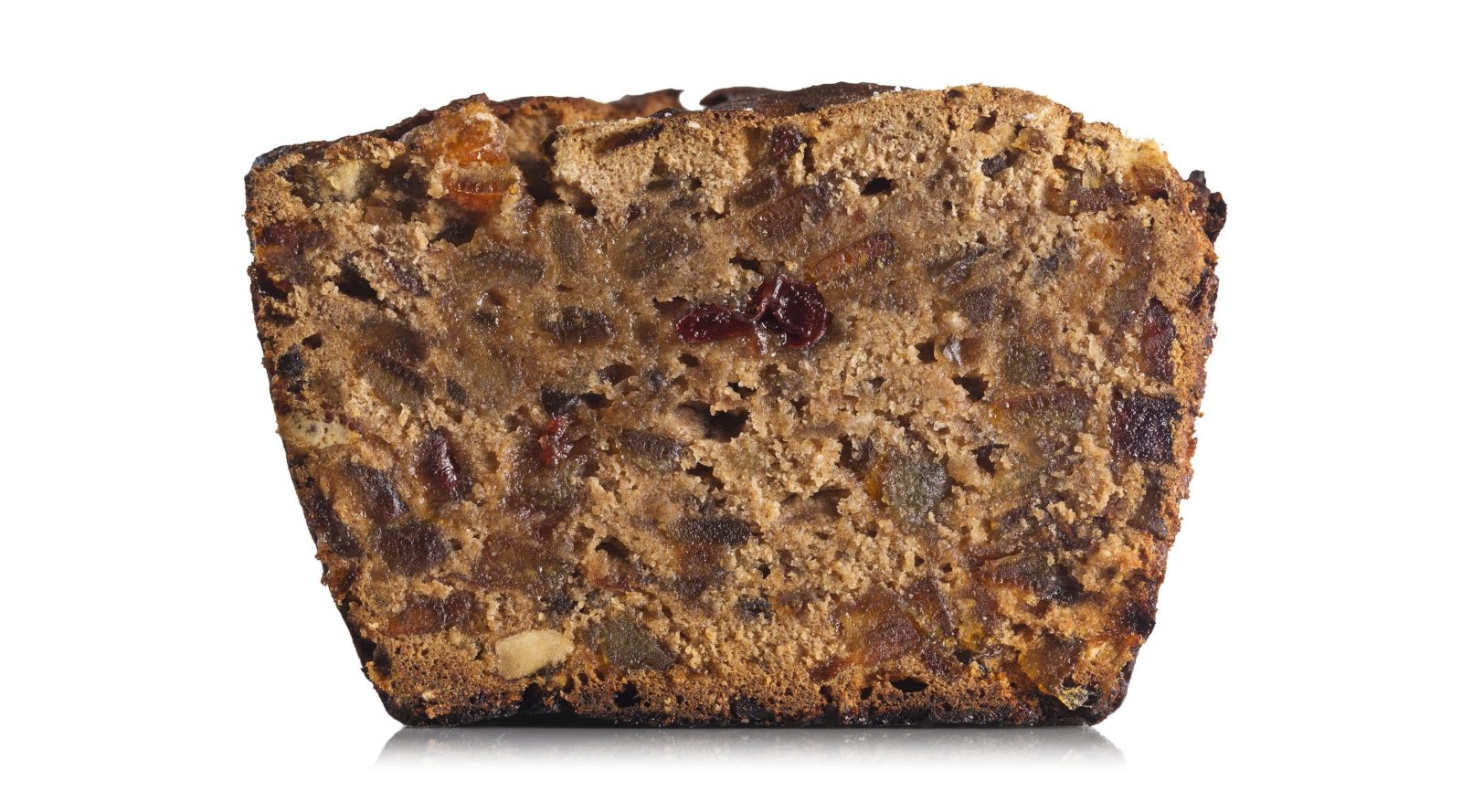
Candied Fruit Vollkornbrot
Variations on our master Vollkornbrot recipe from Modernist Bread are riffs on the idea of dough as a binder, but instead of sunflower seeds and rye berries, we use other inclusions: dried fruit, toasted nuts, and even chocolate chunks and cocoa powder. Loaded with candied fruit, this particular variation will quickly become a winter staple that can easily double as a surprising (and deeply satisfying) twist on a traditional fruitcake during the holidays.
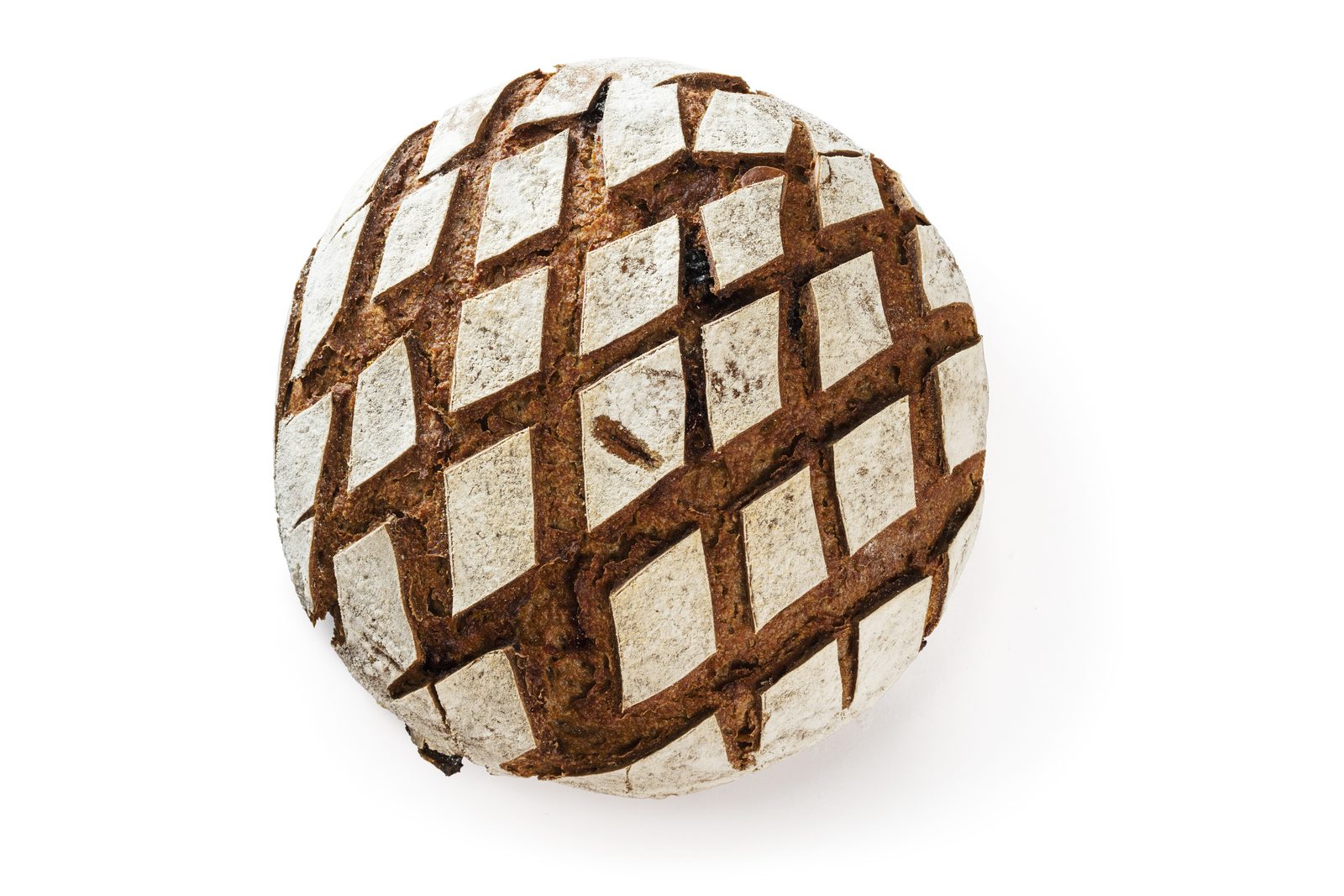
Landbrot with Pressure-Caramelized Cherries and Almonds
Modernist Bread at Home, p. 302
Landbrot is more a style of bread than a specific recipe. The term translates as “country bread” from the German and is applied to a number of breads baked across the country. The exact mix of flours varies from region to region, based on grains most readily available in each. Our interpretation uses a blend of whole wheat, rye, and bread flour. This landbrot variation also showcases one of our favorite cooking methods: pressure-caramelizing. Utilizing this method for the inclusions accentuates the sweetness of the cherries and amplifies the richness of the almonds. The flavor is deepened beyond what you would achieve by simply plumping the cherries and toasting the almonds.
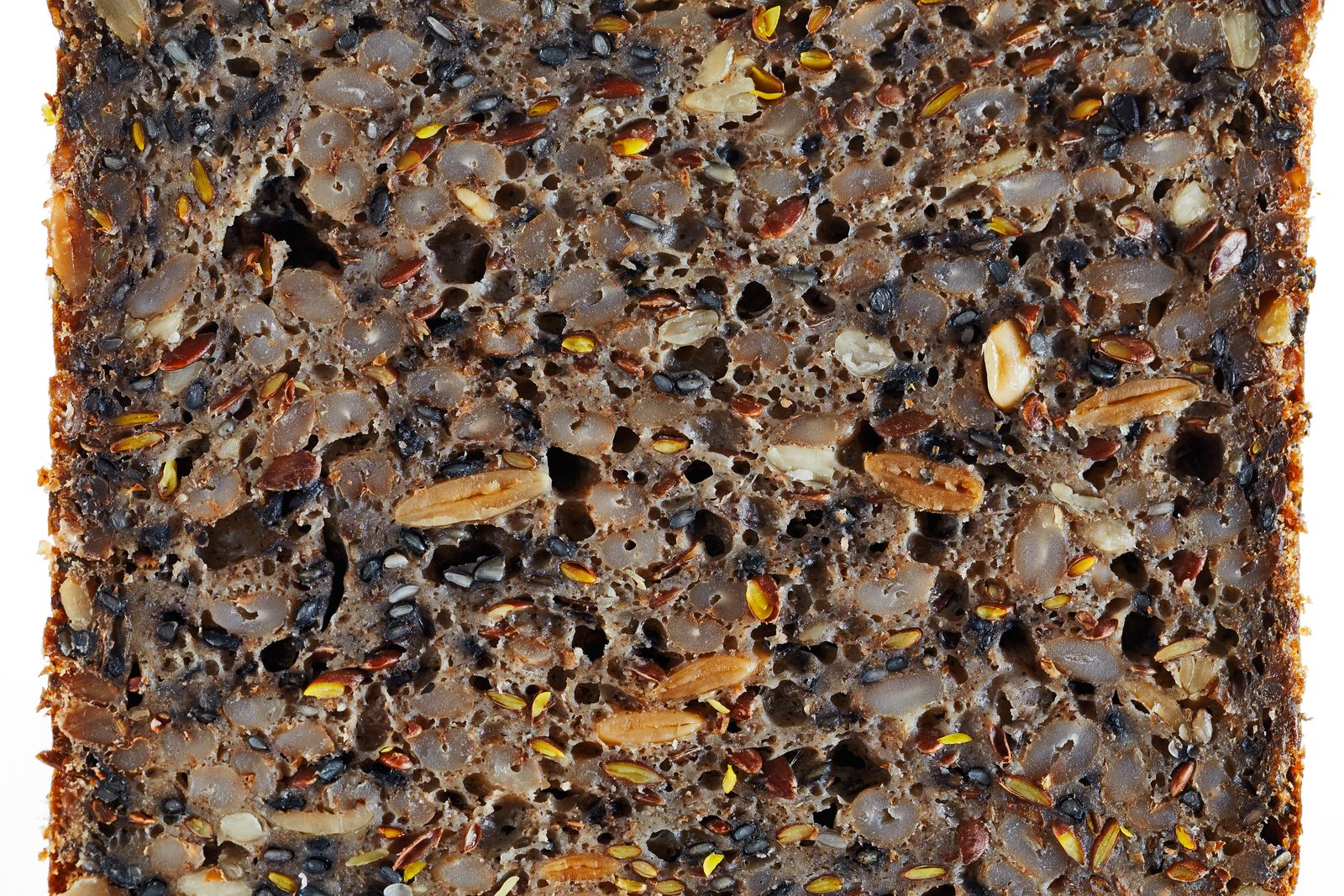
Whole Grain Loaf
Modernist Bread at Home, p. 312
This recipe has an intriguing blend of flavors and textures from a number of grains and seeds. The addition of buttermilk helps keep the grain-heavy crumb on the tender side, while the sugars in the dark beer and malt syrup contribute to an extra brown and crispy crust. Be sure to factor in enough time to sprout the grains before making the loaf. We also include several delicious flavor variations, including:
- Wheat Beer, Sprouted Grains, and Toasted Seeds Loaf
- Cranberry, Currant, Walnut, and Pistachio Loaf
- Toasted Pecan, Raisin, and Sesame Seed Loaf
- Hazelnut, Cocoa Nib, and Apricot Loaf with Spices
Discover More in the Modernist Cuisine Series

Modernist Bread at Home
Modernist Bread at Home is an indispensable cookbook for anyone who is passionate about making homemade bread. This cookbook is thoughtfully tailored to the specific needs of home bakers so that you can get great results in your kitchen, regardless of how much time or experience you have.
After years of rigorous independent research and hundreds of experiments, the Modernist Cuisine team has now distilled all that wisdom down into a comprehensive, 420-page single volume that proves bread-making can be attainable and convenient, even during the workweek. You’ll discover innovative yet practical techniques, time-saving tips, helpful scientific insights, and adaptable recipes that make delicious homemade bread possible. This is the perfect gift for the home baker in your life!

Modernist Bread
Modernist Bread provides a revolutionary understanding of one of the most important staples of the human diet. This James Beard Award–winning encyclopedia of practical knowledge and groundbreaking techniques captures over four years of independent research and collaborations with leading industry professionals. The result is the most in-depth look at bread to date. Stunning photography brings the complete story of bread to life across five volumes―uncover its incredible history, loaves from every corner of the world, and the breathtaking beauty of scientific phenomena at work above and below the crust.